

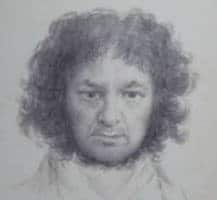
Francisco Goya
Represented by Park West Gallery
Biography
Francisco José de Goya y Lucientes was born on March 30, 1746 in the village of Fuendetodos in northern Spain. Often considered among the last of the Old Masters, he created numerous paintings, etchings, drawings and lithographs throughout his career. At fourteen, Goya entered an apprenticeship with local artist José Luján, later studying in Madrid with Anton Raphael Mengs. In 1771, he returned to Saragossa to paint Rococo frescos for a local cathedral. By the mid-1770s, he was working for the Royal Tapestry Factory in Santa Bárbara, creating tapestry cartoons that caught the attention of Spanish royals and led to his appointment as court painter.
In 1792, an illness during a visit to Cádiz left Goya permanently deaf, profoundly affecting his life and art. He began creating darker, more satirical works, including his 1799 series of eighty prints called “Los Caprichos.” Between 1810 and 1820, he produced “Los Desastres de la Guerra,” eighty etchings depicting the horrors of the French-Spanish conflict. He also created the bullfighting series “Tauromaquia” in 1816 and “Los Proverbios” between 1816 and 1824. From 1819 to 1824, he painted “The Black Paintings” at his home outside Madrid.
Goya left Spain for Bordeaux in 1824, where he explored lithography and created masterpieces on bullfighting. He died in Bordeaux on April 16, 1828. His works are featured in museums worldwide, including the Museo del Prado in Madrid, and he is represented by Park West Gallery.
Biography compiled by Your Art Vault from Park West Gallery’s published artist information and other public sources.