
Archives: Artists

  • Anna August

    Anna August

    Anna August creates compelling paintings that pulse with the vibrancy, emotion, and color of her Jamaican homeland. This exciting contemporary artist credits the natural wonders and beauty of Jamaica for sparking her imagination in her youth. The lively people, rhythms of daily life, lush greenery, and miles of sandy beaches are at the heart of everything she creates with brush and canvas. Through her art, August captures the delicate but marvelous harmony between everyday life and the immense power of nature, and her unique vision is turning heads around the world.

    The daughter of a skilled carpenter, August’s journey into art was inspired by her father’s creativity, craftsmanship, and fine attention to minute details that many people never notice. By watching him transform wood into fabulous works of art, she learned that a true artist must always be meticulous. These lessons helped her convey the burst of colors in Jamaican landscapes and the bustling, frenetic energy of big city life.

    August has experimented with a wide array of styles and artistic mediums, demonstrating her desire and ability to push boundaries and defy expectations. She was featured at Spectrum Miami for Art Basel 2023 and continues giving back through workshops and community projects in Jamaica. From evocative female portraits to eye-catching abstract works, her art possesses a familiar sense of warmth, rich texture, and depth of soul. Anna August is represented by Park West Gallery.
  • Justin Strom

    Justin Strom

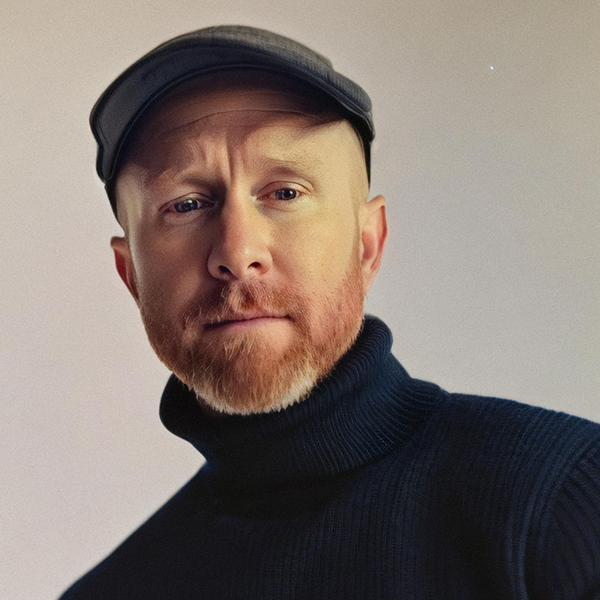
    Justin Strom invites collectors into his paintings through his signature bubble technique, creating moody landscapes rich with texture and evocative depth. Born in Fridley, Minnesota, in 1980, Strom moved to Texas as a child where he spent his formative years until age 12. Though his mother was a landscape painter, his earliest artistic influence came from his father’s work as a home builder. Surrounded by blueprints, eight-year-old Strom began creating perspective drawings of buildings and streets, eventually designing floor plans. His parents encouraged this passion by buying him a drafting table, nurturing the creativity of an emerging artist.

    After high school, Strom attended the Minnesota School of Drafting but realized during his first internship that it wasn’t his true calling. He stepped away from art entirely and worked in construction for three years before starting his own painting company, where he discovered faux finishing. Living with ADD most of his life, Strom found that painting calmed his mind, so he began creating art at home every night. His mother’s landscape paintings flooded back as inspiration, and he sold over 100 works during this period. He later painted motorcycles and cars using airbrushing, which led to developing his trademarked bubble technique after six years of refinement.

    Today, represented by Park West Gallery, Strom creates works influenced by his moods, ranging from dark scenes to bright, cheerful compositions, each displaying the depth of perspective from his early drafting days.

  • Wyland

    Wyland

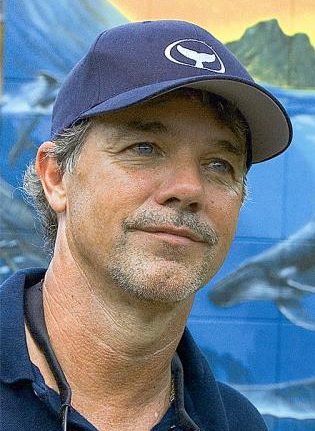
    Renowned marine life artist Wyland helped change the way people think about the environment when he started painting evocative, life-sized murals of whales on building walls in the 1980s. Born in Madison Heights, Michigan, he began painting as a child and sold artwork as early as junior high school. In 1971, at age 14, he witnessed migrating grey whales while on family vacation, an event that inspired him to use his artistic talents to advocate for clean water, healthy oceans, and the majestic animals within. He attended the College for Creative Studies in Detroit from 1975 to 1979, then moved to Laguna Beach where he lived as a self-described starving artist.

    In 1981, Wyland spray-painted his first Whaling Wall on a building facing a Laguna Beach parking lot. The popularity of his murals attracted collectors and wildlife advocates, and by 1997 his paintings and sculptures had become hugely successful. He vowed to paint 100 whale-themed murals in cities worldwide, completing this massive project in 2008 with a mile-long series of internationally themed canvases for the Olympic Games in Beijing.

    Today, Wyland’s name has become synonymous with environmental conservation. Represented by Park West Gallery, his artwork appears in museums, corporate collections, and private homes in more than 100 countries. He continues inspiring others about marine life conservation through his paintings, sculptures, and photography, crediting oceanographer Jacques Cousteau as a major influence on his art and career.

  • Gillie and Marc Schattner

    Gillie and Marc Schattner

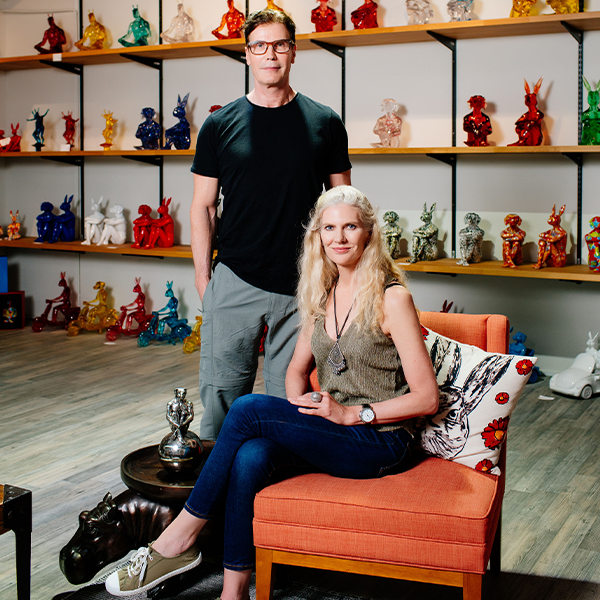
    Gillie and Marc Schattner have spent over 30 years creating art that celebrates love, equality, and conservation. The husband-and-wife team, who met on a photoshoot in Hong Kong, blend their contrasting backgrounds into a powerful artistic partnership. Gillie, born in London to a Dutch mother and Indian father, grew up in Zambia where she witnessed both the beauty of wildlife and the tragedy of poaching. Marc, raised in Australia, learned from his father—the sole survivor of 20 family members in the Holocaust—the vital importance of equality, respect, and fighting for what matters most.

    Known simply as Gillie and Marc, the couple creates vibrant paintings and monumental sculptures that have appeared in over 250 cities worldwide, from Singapore to New York’s Greenwich Village. The New York Times has called them the most prolific and successful creators of public art in New York’s history. Their work, represented by Park West Gallery, has raised hundreds of thousands of dollars for wildlife charities including the World Wildlife Fund.

    The artists are perhaps best known for their autobiographical characters Rabbitwoman and Dogman—predator and prey working together in harmony. Their acclaimed wildlife sculptures feature African elephants, Masai giraffes, lowland gorillas, white rhinos, and Bengal tigers. Among their many honors, they won the Chianciano Biennale, twice received the Allens People Choice Award at Sydney’s Sculpture by the Sea, and were finalists for the Archibald Prize.

  • Julie Siracusa

    Julie Siracusa

    Julie Siracusa, known as The Ocean Artist, masterfully uses oil paints to bring sea creatures and the vast ocean to life on canvas with remarkable results. Born and raised in a small town in south Louisiana in the mid-1960s, she began drawing as soon as she could hold a pencil. With parents who encouraged her creativity, Siracusa became the town’s art teacher’s youngest student at five years old, learning to oil paint in a studio space behind the local art supply store. Her love of the water began during trips to the coast to watch her dad race hydroplane boats, planting the seed for the fabulous ocean artworks collectors now seek.

    Siracusa studied fine art, art history, and architecture in college, but creating art won out over academic studies. Today she lives in Lafayette, Louisiana, in a house she designed and built while studying architecture. In 1996 she opened Siracusa Design and has become one of the most successful designers in her market while continuing to create fine art that captures the waves, warmth, power, and beauty of the world’s oceans.

    During lockdown in spring 2020, Siracusa displayed her large ocean paintings in her front yard to bring socially distanced joy to neighbors. This led to her partnership with Kenny Chesney’s No Shoes Reefs campaign, designing social media images, t-shirts, hats, and logos while raising thousands of dollars for coral reef conservation. She still donates 10 percent of sales to coastal and reef conservation organizations.

    An avid SCUBA diver, Siracusa calls her work Outlander Impressionism, aiming to bring viewers under the sea to feel what it’s like diving a coral reef. She is represented by Park West Gallery.
  • Cam Rose

    Cam Rose

    Cam Rose is a classically trained oil painter from West Des Moines, Iowa, who earned her BFA in oil painting from the University of Nebraska Omaha, where she also minored in horticulture and art history. Raised with plenty of space for her imagination to flourish, Rose developed her artistic drive as a teenager while working at the Des Moines Art Center, where a Sargent portrait in the permanent collection inspired her to become a painter. Though she experimented with watercolor early on, she fell in love with oil painting for its endless possibilities and never looked back.

    During her college studies, Rose became fascinated by the Italian Renaissance. While learning etching and painting in Florence, she was captivated by the soft feminine figures and saturated palettes of Raphael, Sarto, and Pontormo. After earning her BFA, she trained with master oil painter Jeffery T. Larson for nearly five years, becoming one of the first five students to graduate from the Great Lakes Academy of Fine Art that Larson established with his son.

    Rose begins each painting with charcoal drawing to build a strong foundation, then adds the deep, rich, warm colors that bring her still life and portrait works to life. In 2022, she moved to Honolulu and discovered Park West Gallery, where she now works as an art consultant. She has enjoyed a solo exhibition in Omaha in 2013, several group exhibitions in the U.S. and Italy, and numerous awards and fellowships throughout her career.

  • Pino

    Pino

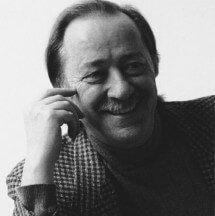
    Giuseppe Dangelico, better known as Pino, was a celebrated figurative artist who revolutionized the illustration industry and captured hearts worldwide with his romantic and intimate paintings. Born in Bari, Italy on November 8, 1939, Pino grew up during World War II, where the image of women maintaining tranquility while men fought became a lasting inspiration for his work. After studying at the Art Institute of Bari and the Academy of Brera in Milan starting in 1962, he built a successful career illustrating for Italy’s largest publishers, Mondadori and Rizzoli, from 1960 to 1979, winning numerous prizes and awards.

    Pino immigrated to the United States in 1978 and soon dominated the American book illustration market, particularly romance novels, working with publishers like Zebra, Bantam, Simon and Schuster, Harlequin, Penguin USA, and Dell from 1980 to 1994. In 1992, he returned to fine art, and by 2001 galleries across the United States, Hong Kong, Canada, Dubai, and beyond eagerly sought his work. Pino is represented by Park West Gallery.
    Known for Contemporary Realism, Pino’s style features softly lit subjects, warm colors, and loose brushwork contrasted with detailed hands and faces. Influenced by the Pre-Raphaelites, the Macchiaioli School, and masters like Joaquin Sorolla, John Singer Sargent, and Giovanni Boldini, he explored human relationships through evocative expressions and theatrical compositions. Pino passed away on May 25, 2010 at age 70, but his artwork remains deeply respected by collectors worldwide.

  • Rembrandt van Rijn

    Rembrandt van Rijn

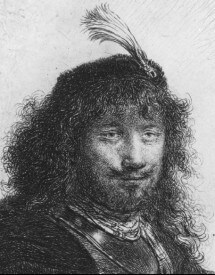
    Rembrandt van Rijn was born in Leiden, Holland on July 15, 1606, the ninth of ten children in a prosperous miller’s family. At thirteen he enrolled at Leiden University but soon left to pursue art, apprenticing first with a history painter in Leiden and later studying under the renowned Pieter Lastman in Amsterdam. While still in his teens, Rembrandt opened a studio in Leiden with his friend Jan Lievens, who had also trained under Lastman.

    By the end of 1631, Rembrandt had moved to Amsterdam after accepting a commission from a prominent physician. His 1634 marriage to Saskia van Uylenburg, cousin of a successful art dealer, brought access to wealthy patrons who eagerly commissioned his portraits. Tragedy marked his personal life, however. Three of their four children died before reaching three months of age, and Saskia herself died shortly after the birth of their son Titus, who survived to adulthood but would predecease his father. After Saskia’s death, Hendrickje Stoffels became his common-law wife and gave birth to Cornelia, the only child to survive him.

    Rembrandt’s taste for an ostentatious lifestyle led to bankruptcy in 1656, forcing the auction of his home and possessions over the next two years. He moved to a small cottage on Amsterdam’s outskirts, where he outlived both Hendrickje, who died in 1663, and Titus, who died in 1668. Rembrandt himself died on October 4, 1669, and was buried in an unmarked grave in the Westerkerk. Today, Park West Gallery represents this master of the Baroque Age, whose revolutionary etchings and dramatic use of chiaroscuro continue to influence artists worldwide.